



Summary:
The invention of dental implants has completely changed how people restore tooth loss and regain their gorgeous smiles.
They not only replace missing teeth but also help restore your confidence, comfort, and natural function that were long lost. But something that most people do not realise is that the material used for your implant plays a crucial role in how well it performs over time.
Studies show that dental implants have a success rate of over 95%, especially when made from high-quality materials and placed by experienced dentists.
Thus, two of the most popular choices today are titanium or zirconia implants. In this article, we will cover:
- Understanding Dental Implants
- Titanium Implants: The Traditional Choice
- Zirconia Implants: The Metal-Free Alternative
- Comparing Titanium and Zirconia Implants
Continue reading further to dive deep into the world of implants and grasp everything you need to know about the different types of dental implants: Titanium and Zirconia.
Understanding Dental Implants
What They Are:
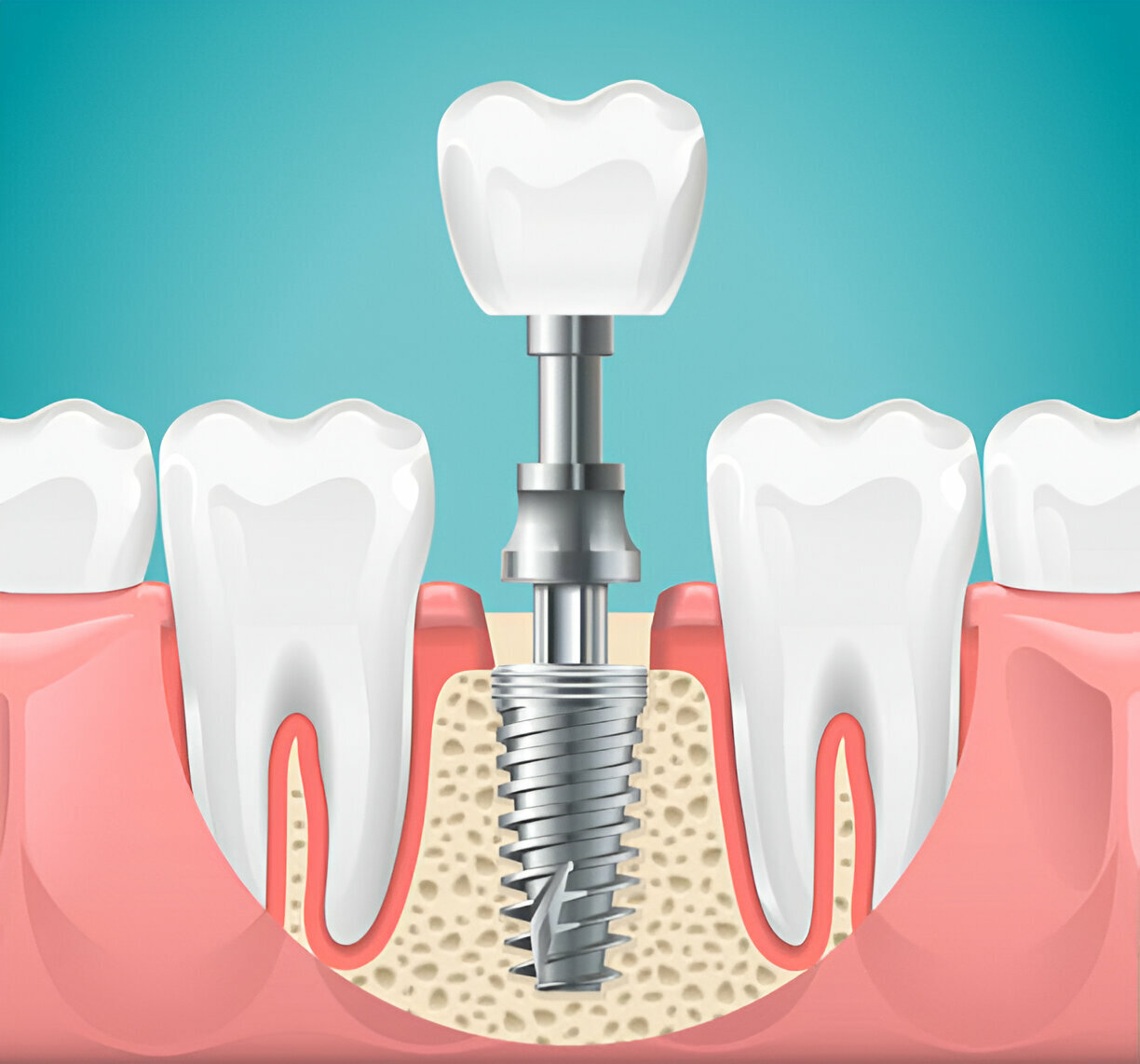
Dental implants are advanced tooth-replacement options designed to look, feel, and function just like your natural teeth. Each of the implants has three main parts:
- Implant post: acts as the artificial tooth root and is placed into the jawbone.
- Abutment: connects the post to the visible crown.
- Crown: the custom-made tooth that completes your smile.
How They Work:
After the implant is placed, it fuses with your jawbone through a process called osseointegration, helping create a stable foundation for long-term tooth support.
Why Material Matters:
The material of the implant post plays a big role in:
- Bone compatibility and healing
- Strength and long-term durability
- Aesthetic appeal for natural-looking results
Dental implants made of titanium and zirconia offer unique benefits. Thus, understanding their differences can help you make the best choice for your smile.
Titanium Implants: The Traditional Choice
For decades, titanium implants have been trusted in dentistry and are often considered the gold standard for tooth replacement. They have helped millions of patients to restore both their function and confidence, and their success rate is impressively high. Titanium remains one of the most widely used and dependable options available today because of its proven track record.
Advantages
- Exceptional Strength and Durability: These implants are ideal for long-term use and are incredibly strong. They can easily withstand daily activities like chewing and biting without wearing down.
- Proven Biocompatibility: Titanium has a unique ability to bond with the jawbone through a process called osseointegration. This creates a stable foundation for the replacement tooth and prevents bone loss over time.
- Suitable for Most Patients: Titanium implants work well for most individuals, even those with slightly lower bone density.
Potential Drawbacks
- Metal Sensitivity (Rare): A small number of patients may experience mild allergic reactions or metal sensitivity.
- Aesthetic Concerns: In some cases, especially with thin gums, the greyish color of the titanium may show through, making it less ideal for front teeth.
Thus, to conclude, titanium implants remain one of the most reliable choices for strength, stability, and longevity. This also proves why they have stood the test of time in modern dentistry.
Zirconia Implants: The Metal-Free Alternative
Zirconia has become one of the most popular choices for those seeking a more natural, holistic dental implant solution. Zirconia implants are made of ceramic, making them completely metal-free, unlike traditional titanium implants. Your Seven Hills dentist may recommend this option if you prefer a more biocompatible and aesthetic alternative.
Advantages of Zirconia Implants
- 100% Metal-Free and Hypoallergenic: Ideal for patients with metal sensitivities or allergies, zirconia implants are safe and biocompatible.
- Naturally Aesthetic Appearance: Their white, tooth-like color blends seamlessly with your teeth and gums, ensuring a more natural smile.
- Highly Resistant to Corrosion and Plaque: Zirconia is non-conductive and smooth, making it harder for plaque to accumulate and easier to maintain good oral hygiene.
Potential Drawbacks
- Less Flexible Than Titanium: Zirconia can be slightly more brittle, meaning there’s a higher chance of fracture under heavy pressure.
- Limited Long-Term Data: While early results are promising, zirconia implants haven’t been studied as extensively as titanium ones.
In summary, for many patients, zirconia implants provide an aesthetic, allergy-free option. Seven Hills dentist, however, will assess whether this type of implant suits your specific needs and oral health condition.
Comparing Titanium and Zirconia Implants
Two materials lead the way in dental implants: titanium and zirconia. Although both have their own strengths, understanding their differences properly can help you choose what is best for your smile.
Aesthetics
If looks matter to you, zirconia always has the upper hand. It has a tooth-colored appearance that blends seamlessly with natural teeth, which makes it ideal for visible areas. On the other hand, titanium has a metallic hue that may be slightly visible in people who have thinner gums.
Strength & Durability
Titanium implants are known for their unmatched strength and flexibility, making them long-lasting and in use for decades now. Zirconia is also strong, but it is stiffer and can be more prone to cracking under extreme pressure because of its lack of flexibility.
Biocompatibility
Both of these materials bond well with the bone, but zirconia is completely metal-free. This is a big advantage for patients with metal sensitivities or allergies.
Healing & Osseointegration
Titanium has a proven track record for having excellent integration and predictable healing. Though research shows promising results so far, zirconia is comparatively newer than titanium.
Cost & Availability
Titanium implants are generally more affordable and widely available. Zirconia tends to be more expensive and less commonly offered.
Suitability
Titanium works best for complex or multi-tooth restorations, while zirconia is preferred for single implants or cosmetic areas.
Making the Right Choice for Your Smile
Choosing between titanium and zirconia implants ultimately depends on what matters most to you: strength, appearance, or biocompatibility.
Both of the materials have their own unique benefits:
- Titanium implants are time-tested, durable, and ideal for long-term stability.
- Zirconia implants offer a natural look and are great for those with metal sensitivities.
Therefore, it is best to discuss your goals and preferences with your dentist. They can guide you through the pros and cons of each option and help you make a decision that fits your smile, lifestyle, and overall oral health.
Takeaway
- Dental implants are advanced tooth-replacement options designed to look, feel, and function just like your natural teeth.
- Titanium implants are time-tested, strong, and ideal for long-term durability.
- Zirconia implants offer a natural, metal-free, and aesthetic alternative for sensitive patients.
- The best choice depends on your priorities, strengths, appearance, and biocompatibility, so always consult your dentist for personalized advice.
- Ready to give yourself an effortless smile? Connect with our dentist at Seven Hills today!